

Quartz continues to be one of the top countertop choices for homeowners in San Antonio and neighboring cities. While most buyers focus on color selection, edge style, or veining detail, thickness plays an equally important role. Choosing the correct thickness ensures a stable installation, a polished finished look, and long-term performance.
The two most common thicknesses used in residential applications are 2CM and 3CM. Each offers specific benefits, but knowing when to use either depends on structural needs, cabinet configuration, and design goals.
Why Thickness Determines Performance
In fabrication and installation studies over the past three years, countertops installed at correct thickness levels experienced fewer service calls related to cracking at overhangs and seam areas. Thicker material minimizes stress when the surface is under weight.
3CM quartz remains preferred within the San Antonio region for most kitchen builds due to:
- Greater stiffness
- Stable overhang support
- Full-height island use
Meanwhile, 2CM quartz works well in bathroom applications, small laundries, and areas not subjected to heavy loads.
Pro Tip: Ask your fabricator to confirm whether your cabinetry requires additional plywood decking. In most modern builds, 3CM eliminates that extra layer.
The Role of Quartz Thickness in Fabrication
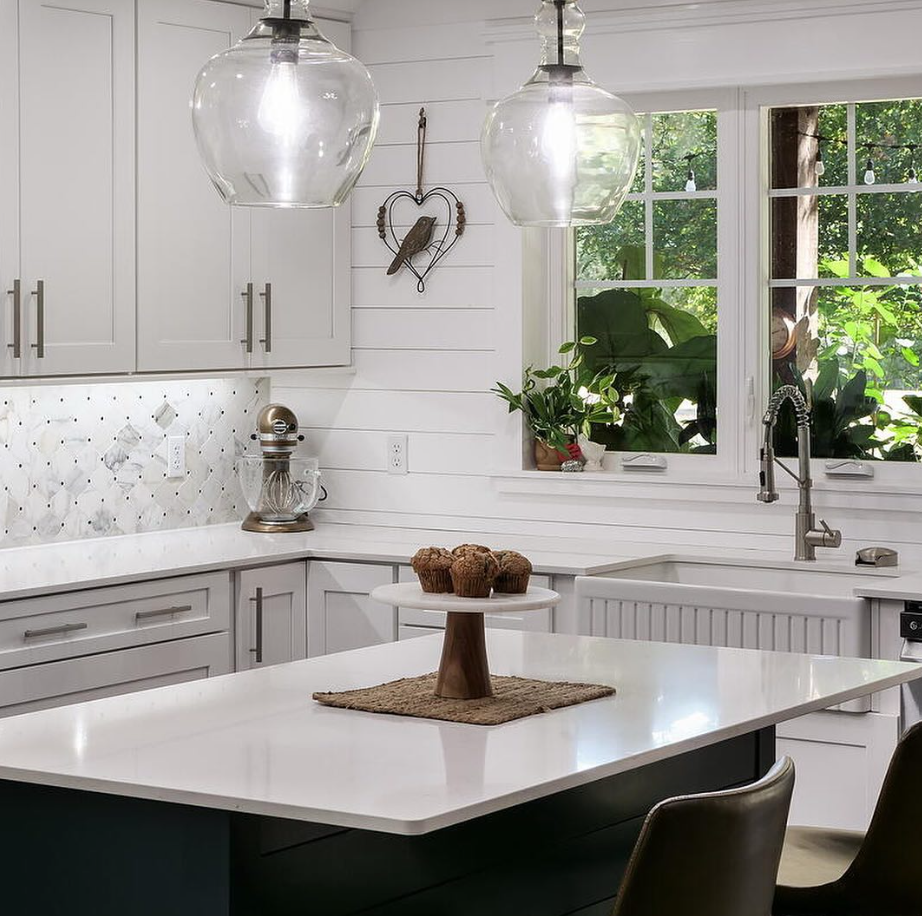
Thickness changes how fabrication is handled. When fabricators cut thinner slabs, they must reinforce sections around sinks and cooktops more extensively. Thicker slabs often finish cleaner because they require fewer support transitions underneath.
Common fabrication decisions affected by thickness include:
- Number of seams
- Overhang limitations
- Edge height
- Stability at dishwashers and end panels
Proper thickness often determines how well a countertop looks ten years after installation.
How Thickness Influences Installation Cost
Cost differences exist between 2CM and 3CM materials. However, homeowners should evaluate long-term value instead of initial pricing alone. When selecting thinner slabs, added support materials increase labor and material usage.
Countertop installers report that 2CM tops require additional stabilization because hydraulic lift movement, appliance placement, and leveling points put stress on thinner slabs.
True Blue Surfaces provides estimates that clearly outline material and support variation to prevent hidden costs.
Pro Tip: Ask installers what support method they use underneath large spans. This prevents surface flexing when homeowners lean or apply weight near corners.
Which Thickness Works Best for Specific Spaces?

For San Antonio-area homes, typical recommendations include:
Kitchen Islands. 3CM for seamless finishes and strong span capability.
Perimeter Counters. 3CM as standard depth to align with sink positioning.
Bathroom Vanities. 2CM acceptable in light-use environments.
Outdoor Kitchens. 3CM preferred due to potential temperature variance.
Homeowners planning structural waterfall legs benefit from 3CM slab sections that join at cleaner seam lines.
Pro Tip: If appliances sit flush with cabinetry, verify dimension requirements so thickness aligns with appliance margins.
Why Work With a Local Fabricator When Selecting Thickness
Thickness selection affects not only fabrication but also installation sequencing. Local shops such as True Blue Surfaces manage slab movement, on-site adjustments, and layout matching efficiently.
When thickness is wrong, problems show up early:
- Visible deflection
- Incorrect reveal under sinks
- Uneven edge transitions
- Support brackets visible over time
Local fabrication helps minimize these issues because installers understand regional cabinet standards, construction types, and framing differences.
Ready to Choose Quartz Countertops With the Right Thickness?
Thickness is one of the most important decisions in your countertop project. It affects cost, strength, installation method, and visual impact.
True Blue Surfaces will guide you through thickness selection based on your home layout, cabinet design, and long-term usage.
Contact True Blue Surfaces today to view quartz options, request measurements, and secure installation dates that align with your build or remodel schedule.