
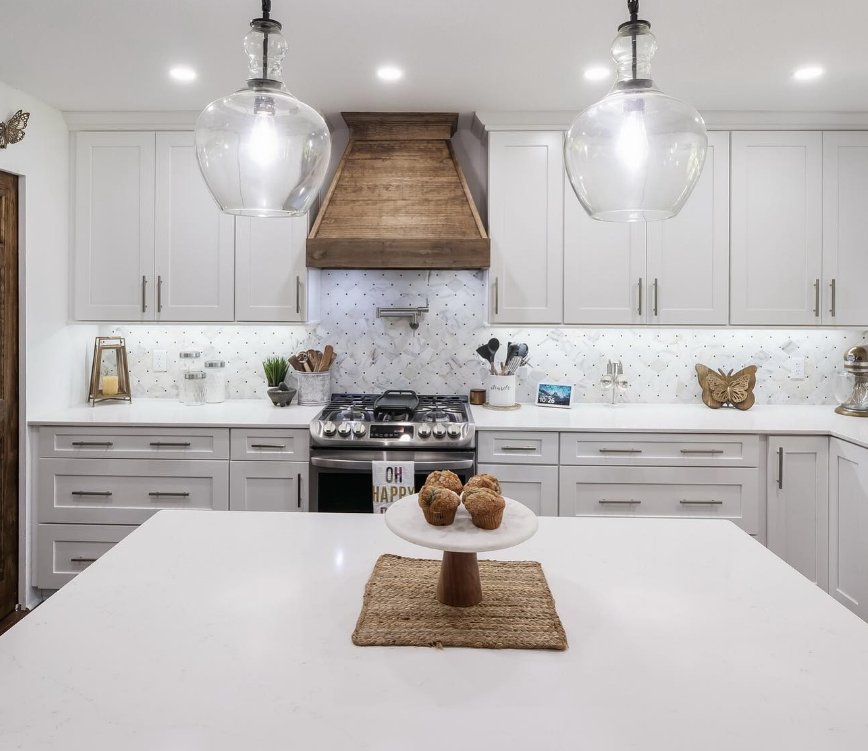
In residential and commercial design, sound management is becoming as important as visual design. Open-concept layouts, stone surfaces, and hard flooring can amplify noise, creating echo or reverb that affects comfort and livability. Builders and designers in the Austin area are now considering how countertop materials contribute to acoustic performance.
Quartz, one of the most popular countertop materials in modern homes, plays a subtle but notable role in managing sound. While not traditionally marketed as a soundproofing solution, its structure and installation methods can influence how sound travels through kitchens, bathrooms, and shared living spaces.
Understanding Quartz and Its Composition
Quartz countertops are engineered from approximately 90 percent natural quartz mixed with resins and pigments. This blend creates a dense, nonporous surface that resists stains, bacteria, and impact. Its density also affects sound behavior by reducing vibration and limiting sound reflection.
In open kitchens or commercial breakrooms where surfaces like tile and glass already reflect sound, quartz’s weight and solid construction help anchor the space acoustically. The material’s slight elasticity, due to resin content, allows it to absorb minor vibrations rather than amplify them.
Pro Tip: When selecting quartz slabs for high-traffic or echo-prone environments, consider thicker materials. Thicker slabs provide additional sound dampening compared to thinner ones, which can transmit more vibration.

Why Sound Management Matters in Modern Design
Austin’s architectural trends lean toward open layouts with large kitchen islands, high ceilings, and connecting living spaces. While these designs encourage interaction, they can also create acoustic challenges. Hard surfaces such as stone, tile, and hardwood reflect sound waves, causing kitchens to sound louder than intended.
For builders, choosing materials that balance durability, beauty, and sound performance helps create environments that feel both lively and comfortable. Quartz surfaces, when properly fabricated and installed, can contribute to that balance by subtly absorbing and diffusing sound energy.
Pro Tip: Combine quartz countertops with soft finishes such as upholstered furniture, curtains, or area rugs. This layered approach balances acoustics and reduces reverberation in open spaces.
Installation Techniques That Influence Acoustics
The way a countertop is installed can make a measurable difference in sound behavior. A secure substrate, such as plywood or acoustic matting beneath the quartz slab, helps absorb vibration and prevents sound from transferring into cabinetry or walls.
Silicone or adhesive used during installation also contributes to noise control by filling micro gaps that might otherwise amplify sound. For commercial applications such as restaurants, hotels, or coworking spaces, combining quartz with insulated backing can enhance both acoustic comfort and durability.
Pro Tip: Builders should communicate early with fabricators about the project’s acoustic goals. True Blue Surfaces can recommend installation methods that minimize unwanted noise while maintaining precise stone alignment.