
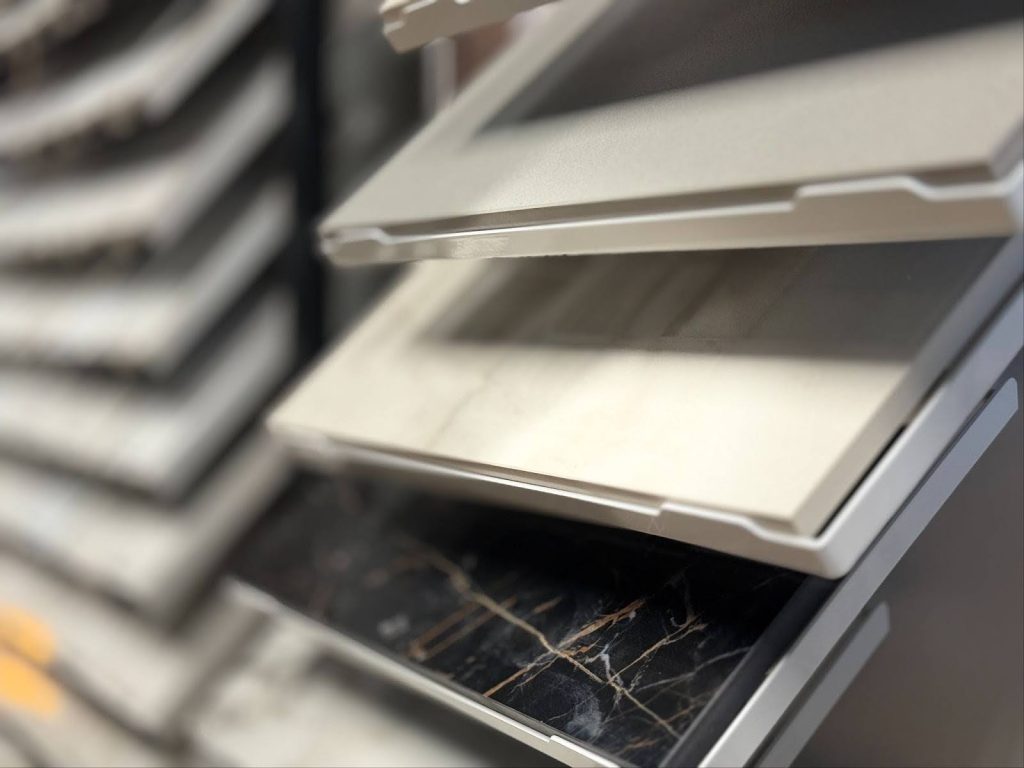
Quartz countertops are known for their durability, beauty, and ease of care, but choosing the right surface goes beyond picking a color or style. There are several common missteps homeowners make when selecting quartz, and avoiding these can make the difference between long-term satisfaction and a frustrating experience. With so many options available, it’s easy to overlook small details that end up having a big impact.
Overlooking Slab Variation
While quartz is an engineered material, that doesn’t mean every slab will look exactly the same. Manufacturers create multiple lots of the same pattern, and there can be slight differences in tone or veining from one batch to another.
If you’re working with large areas or connecting multiple pieces, failing to check for lot consistency can lead to mismatched seams or unbalanced visuals. Always review the exact slabs that will be used for your space, especially when the design features bold veining or color movement.
Choosing Style Over Practicality
Quartz offers a wide variety of looks, including styles that mimic natural marble or concrete. It’s tempting to make a decision based on appearance alone, but function should guide the final choice.
For example, a highly polished finish may show smudges more easily in a high-use kitchen. Matte or textured finishes can reduce glare and hide everyday fingerprints better in busy households. Matching the style to your lifestyle ensures the surface stays looking great with less effort.
Ignoring Edge Profiles
Edge design plays a big role in how quartz countertops feel and function. A sharp or intricate edge may look modern, but in active kitchens, it can chip more easily or cause discomfort when leaned against.
Rounded edges tend to be more forgiving and child-friendly. Skipping a thoughtful conversation about edge options can lead to regrets later on, especially if the countertop is in a space that gets daily use.
Failing To Consider Lighting
Lighting has a huge impact on how quartz surfaces appear once installed. Under showroom lighting, a slab may look brighter or more reflective than it will in your home. Natural light, cabinet finishes, and wall colors all affect how the surface will read in your space.
It’s a mistake to choose quartz without viewing a sample under the lighting conditions where it will be installed. What feels bright and inviting in one setting can appear too stark or dull in another.
Rushing The Fabrication Process
Quartz may be easier to fabricate than some natural stones, but that doesn’t mean speed should replace accuracy. Inaccurate measurements or rushed cuts can result in uneven overhangs, poor alignment at seams, or gaps around fixtures.